

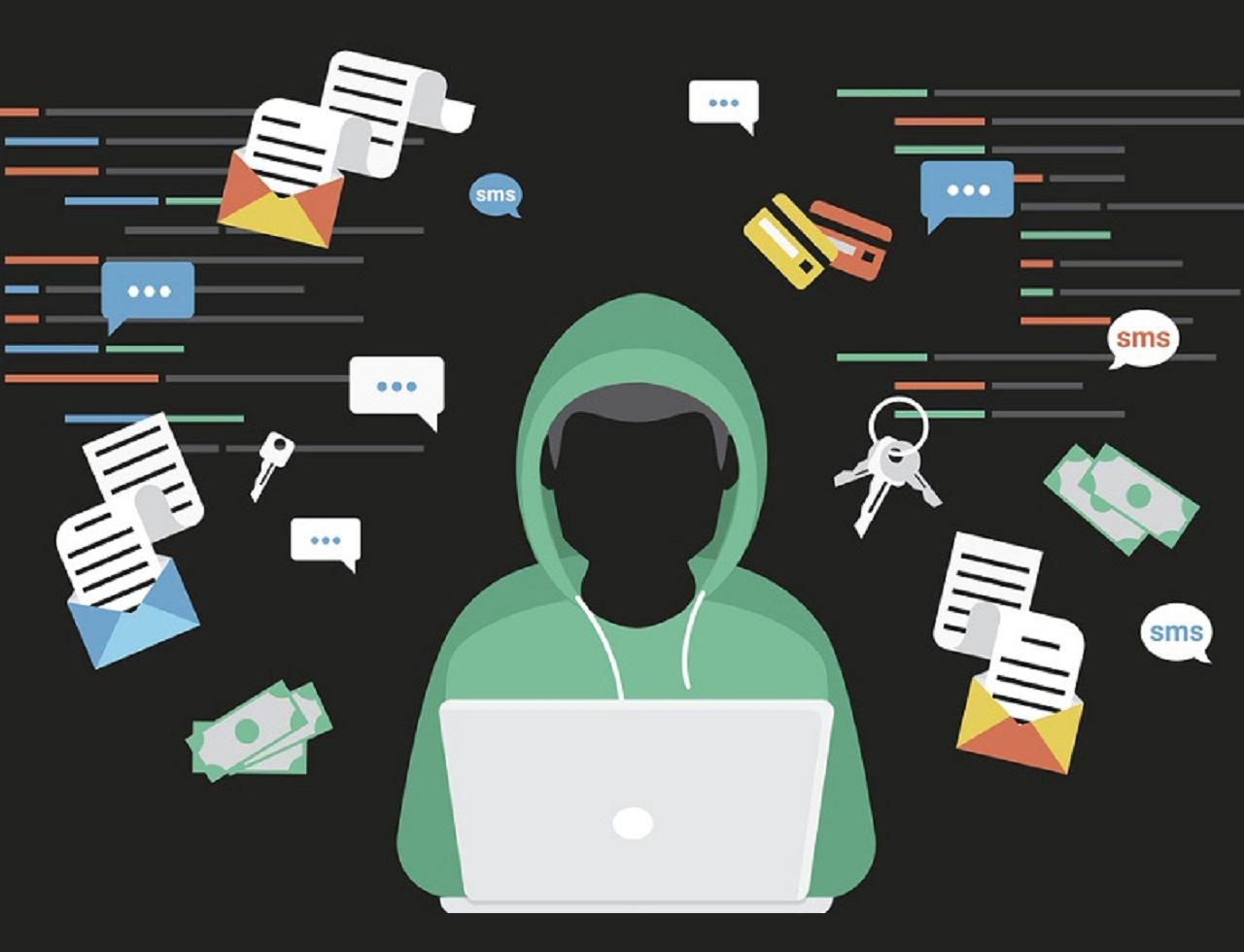
Organizations today face an unprecedented wave of cyber threats, from vulnerabilities in hybrid work models to sophisticated AI-powered attacks.
A startling April 2025 report revealed that 87% of security professionals faced an AI-driven cyber attack in the last year.
A single successful breach can lead to catastrophic data loss, costly downtime, severe reputational damage, and legal penalties, making robust IT security more critical than ever.
This guide breaks down the essentials of information technology security, explains why it’s vital for your business, and provides actionable tips to strengthen your defenses against modern threats.
A startling April 2025 report revealed that 87% of security professionals faced an AI-driven cyber attack in the last year.
A single successful breach can lead to catastrophic data loss, costly downtime, severe reputational damage, and legal penalties, making robust IT security more critical than ever.
This guide breaks down the essentials of information technology security, explains why it’s vital for your business, and provides actionable tips to strengthen your defenses against modern threats.
What Is IT Security? A Clear Definition
IT security—short for information technology security—encompasses the strategies, tools, and policies organizations use to protect their digital systems, networks, and data from risks like unauthorized access, data breaches, and cyber attacks. Without a strong security posture, businesses are vulnerable to a constantly evolving threat landscape.
Top 5 IT Security Threats Facing Businesses Today
Understanding the dangers is the first step toward building an effective defense.
Here are the most common cyber threats that make IT security essential:
1. Phishing and Social Engineering Attacks:
Cybercriminals deceive employees into revealing login credentials or clicking malicious links, leading to malware infections or unauthorized system access.
2. Ransomware:
This devastating malware encrypts your critical data and holds it for ransom.
It can halt operations entirely, especially for organizations without robust, isolated backup solutions.
3. Insider Threats:
Risks aren’t always external. Whether malicious or accidental, employee actions can result in significant data leaks and compliance violations.
4. Denial-of-Service (DoS) Attacks:
These attacks overwhelm systems with traffic to deny access to legitimate users.
They are often used to disrupt services or act as a smokescreen for more sinister breaches.
5. Unpatched Software Vulnerabilities:
Outdated systems and software with known security flaws are low-hanging fruit for attackers looking for an easy entry point.
Here are the most common cyber threats that make IT security essential:
1. Phishing and Social Engineering Attacks:
Cybercriminals deceive employees into revealing login credentials or clicking malicious links, leading to malware infections or unauthorized system access.
2. Ransomware:
This devastating malware encrypts your critical data and holds it for ransom.
It can halt operations entirely, especially for organizations without robust, isolated backup solutions.
3. Insider Threats:
Risks aren’t always external. Whether malicious or accidental, employee actions can result in significant data leaks and compliance violations.
4. Denial-of-Service (DoS) Attacks:
These attacks overwhelm systems with traffic to deny access to legitimate users.
They are often used to disrupt services or act as a smokescreen for more sinister breaches.
5. Unpatched Software Vulnerabilities:
Outdated systems and software with known security flaws are low-hanging fruit for attackers looking for an easy entry point.
Prioritizing IT security creates a vital safety net against these evolving threats, safeguarding your data and maintaining customer trust.
6 Essential IT Security Tools to Build Cyber Resilience
No single solution can stop every threat, but a layered security approach (defense in depth) drastically reduces risk. Here are the top tools to implement:
Firewalls & Intrusion Prevention Systems (IPS):
Act as a gatekeeper for your network, blocking unauthorized access and monitoring for suspicious activity.
Modern Next-Generation Firewalls (NGFW) offer deep packet inspection and application-level controls.
Endpoint Detection and Response (EDR):
Continuously monitors devices (laptops, phones, servers) to detect and respond to threats in real-time.
EDR solutions provide critical visibility into endpoint activities, identifying behavior patterns that indicate a compromise.
Multi-Factor Authentication (MFA):
Adds a critical layer of security beyond passwords. MFA dramatically reduces the risk of account compromise, even if credentials are stolen through phishing.
Data Encryption:
Protects sensitive information both at rest and in transit, ensuring intercepted data remains unreadable without the unique decryption key.
Security Information & Event Management (SIEM):
Aggregates and analyzes data from across your systems to identify patterns and alert your team to potential security incidents.
SIEM platforms turn data into actionable intelligence.
Automated Vulnerability Management:
These tools continuously scan your environment for security gaps, helping prioritize and automate patching efforts to close vulnerabilities before they can be exploited.
Key Types of Information Technology Security
A comprehensive strategy involves protecting all facets of your IT environment:
Network Security:
Protects internal networks from intruders and ensures safe data transit. Segments networks to limit an attacker’s movement.
Endpoint Security:
Secures individual devices (laptops, desktops, mobile phones), which is crucial for securing remote and hybrid workforces.
Application Security:
Safeguards the software you use, from cloud apps to custom code, through secure development practices and testing.
Cloud Security:
Focuses on securing data and applications in cloud platforms through strict access control, visibility, and compliance measures.
Identity and Access Management (IAM):
Ensures the right users have the right access at the right time. IAM tools prevent privilege misuse and reduce internal risk.
Real-World IT Security Examples by Industry
Every sector relies on IT security solutions to protect operations and data:
Retail:
Uses endpoint and network security to protect customer data and point-of-sale systems across multiple locations.
Healthcare:
Implements strict IAM controls and encryption to comply with HIPAA and safeguard patient health records.
Financial Services:
Relies on SIEM and EDR tools to monitor for threats and secure high-volume transactional data in real-time.
Manufacturing:
Employs firewalls and cloud security to defend connected IoT devices, smart sensors, and remote machinery.
Retail:
Uses endpoint and network security to protect customer data and point-of-sale systems across multiple locations.
Healthcare:
Implements strict IAM controls and encryption to comply with HIPAA and safeguard patient health records.
Financial Services:
Relies on SIEM and EDR tools to monitor for threats and secure high-volume transactional data in real-time.
Manufacturing:
Employs firewalls and cloud security to defend connected IoT devices, smart sensors, and remote machinery.
How to Improve Your Organization’s IT Security Posture
Enhancing your defenses doesn’t have to be overwhelming. Start with these actionable steps:
1. Assess Your Current Posture:
Run vulnerability scans and conduct a security audit to identify critical gaps and weaknesses.
2. Invest in Cybersecurity Training:
Human error is a leading cause of breaches. Build a security-aware culture; a recent study found that only 48% of organizations with insufficient cyber resilience prioritize training.
3. Update Security Policies:
Establish clear, documented rules for password management, remote access, and incident response. Revisit these policies regularly.
4. Prioritize Patch Management:
Keep all software and firmware updated. A consistent patching schedule is one of the most effective ways to close security gaps.
5. Centralize Security Management:
Use unified dashboards and tools to streamline visibility and control across your entire network, improving response times.
1. Assess Your Current Posture:
Run vulnerability scans and conduct a security audit to identify critical gaps and weaknesses.
2. Invest in Cybersecurity Training:
Human error is a leading cause of breaches. Build a security-aware culture; a recent study found that only 48% of organizations with insufficient cyber resilience prioritize training.
3. Update Security Policies:
Establish clear, documented rules for password management, remote access, and incident response. Revisit these policies regularly.
4. Prioritize Patch Management:
Keep all software and firmware updated. A consistent patching schedule is one of the most effective ways to close security gaps.
5. Centralize Security Management:
Use unified dashboards and tools to streamline visibility and control across your entire network, improving response times.
Strengthen Your Defenses with Expert IT Security Solutions
Strong IT security doesn’t just defend your assets—it builds the confidence you need to innovate and grow without fear.
Are you confident in your security posture?
At GOIP, we help businesses build proactive, layered defenses and simplify security management.
We serve as your single point of contact for all services across all locations.
Ready to secure your future? Let’s talk.
Are you confident in your security posture?
At GOIP, we help businesses build proactive, layered defenses and simplify security management.
We serve as your single point of contact for all services across all locations.
Ready to secure your future? Let’s talk.